

Layering Rugs: Groundstory Designer Guide
Layering Rugs With Groundstory Elementa and Estate
Layering rugs gives a room depth, comfort, and a finished designer feel without replacing every piece.
Shop Groundstory rugs for your room
Layering rugs works best with a larger base and smaller top rug. The base anchors furniture. The top adds contrast or texture. Groundstory Elementa brings spill-resistant, high-performance polypropylene to busy spaces. Estate adds the refined feel of a 50% New Zealand wool blend. Both collections are OEKO-TEX certified.
Give each rug a clear role. The base establishes scale and stability. The top layer adds texture, color, or a focused point of view. Groundstory makes that choice easier. Elementa and Estate share four patterns and six neutral colorways, so you can create contrast without forcing unrelated designs together.
Why Layering Rugs Works in a Groundstory Room
Layering rugs defines a furniture zone, adds tactile depth, and creates a more finished room. Use the larger rug to connect the main furniture group. Use the smaller rug to focus attention on a seating area, reading corner, bedside zone, or dining setting. Keep the overall palette cohesive.
Give an open room clear structure
Furniture does not always create enough separation in an open-concept space. A larger base gathers a sofa and chairs into one composed zone. A second rug creates a focused moment beneath a coffee table or beside an accent chair. The room stays connected. Each area has a purpose.
Leave a visible border of the base around the upper layer. That frame makes the overlap read as a design decision. It also gives the top rug room to stand out. If the base is too close in size, the edges disappear. A top rug that is too small can look like an isolated mat.
Build hierarchy instead of visual noise
The base carries scale and weight. The top supplies focus, texture, or pattern. Repeat a color across both layers, or choose complementary neutrals with enough difference to show the overlap. Let one rug lead. Let the other support it.
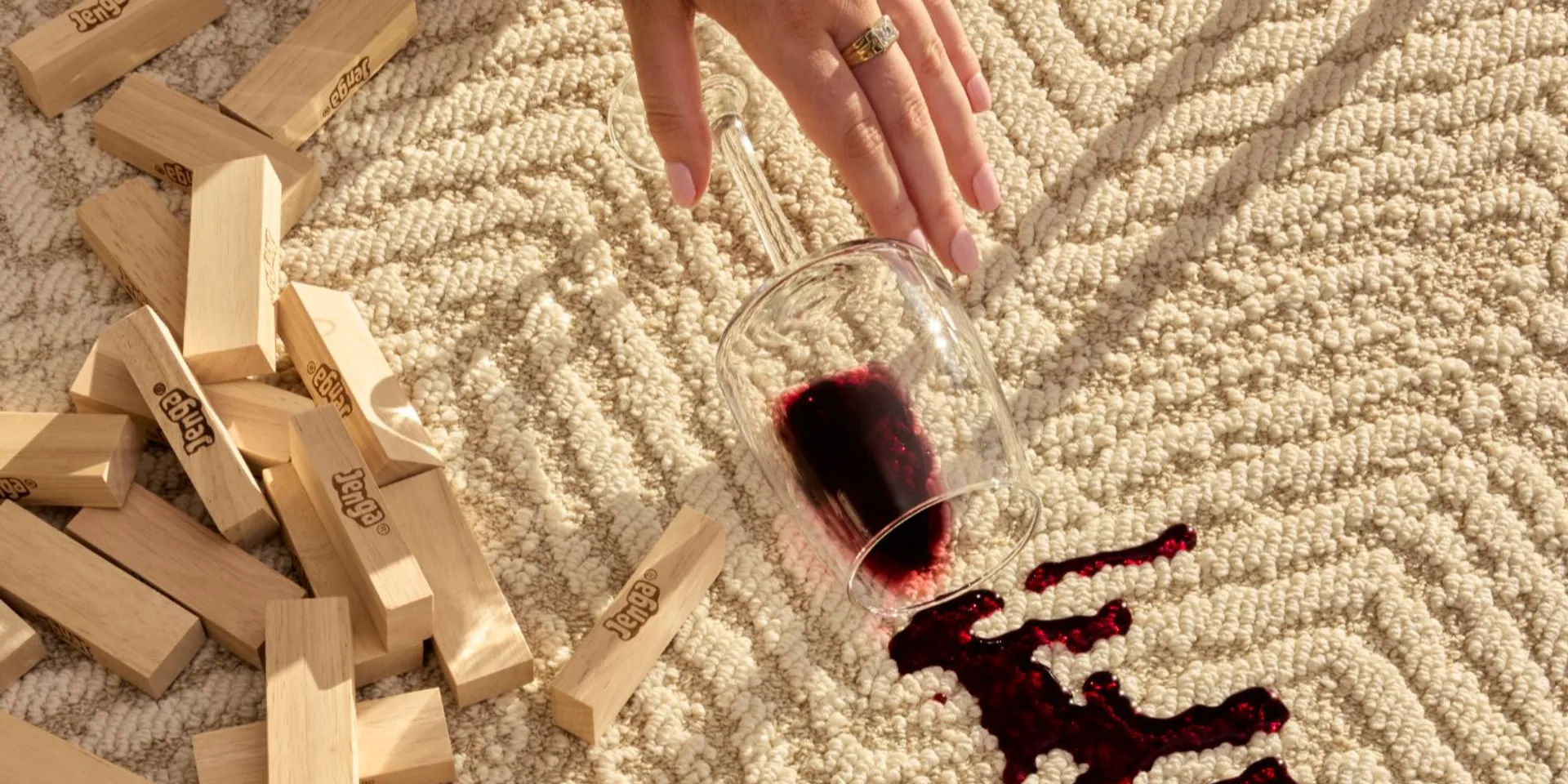
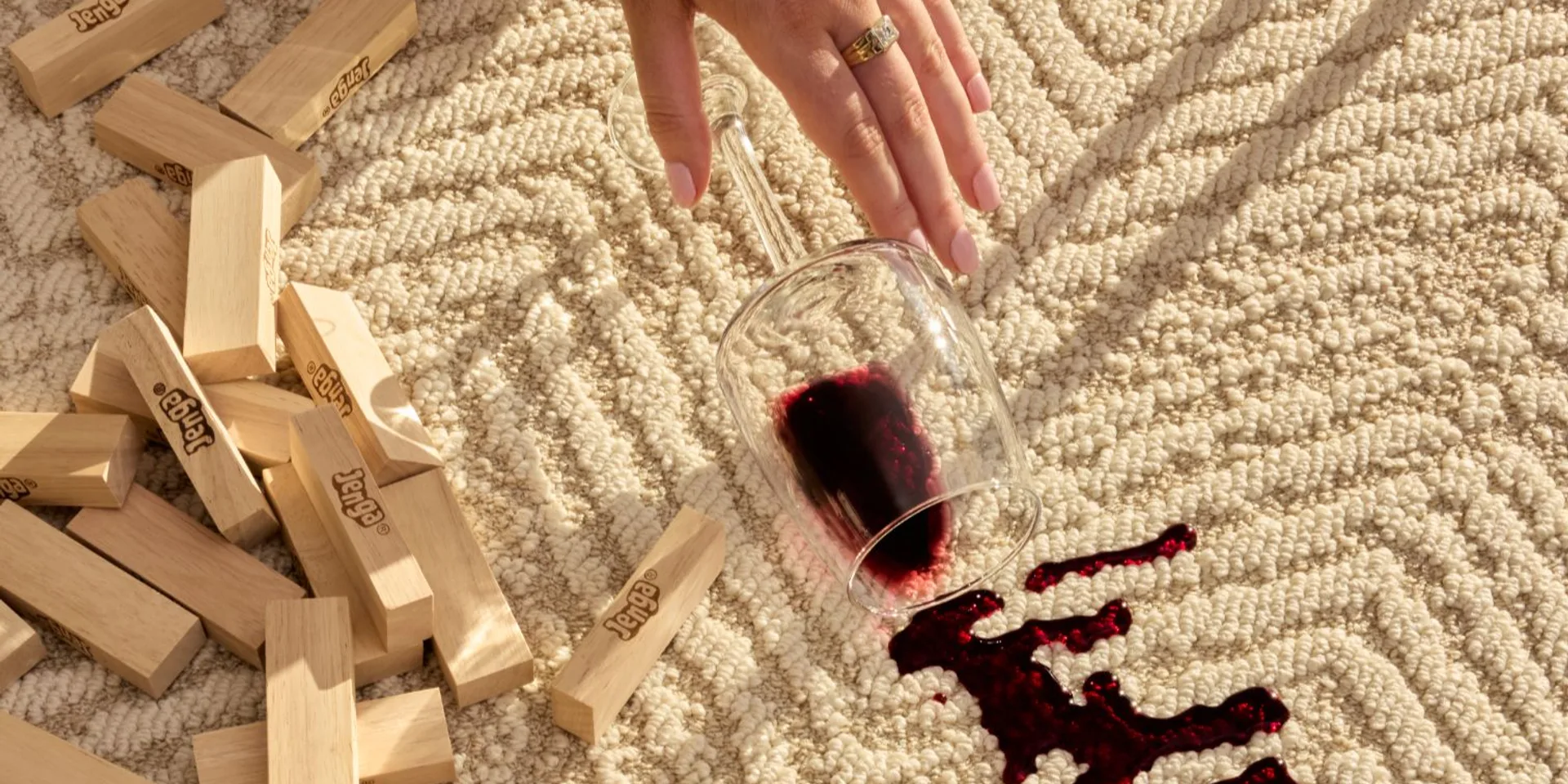
Material reinforces that hierarchy. Elementa is a spill-resistant, high-performance polypropylene collection for daily traffic. Estate is a 50% New Zealand wool blend for a softer, more refined feel in lower-traffic rooms. Both are OEKO-TEX certified.
How to Choose the Base and Top Rug
Choose Elementa as the larger base when spills, foot traffic, or daily activity lead the decision. Choose Estate as the top layer when you want a softer, more tactile finish. In a quieter room, reverse the pairing. Let Estate establish the mood.
Groundstory keeps the decision focused with two collections. Elementa uses high-performance, spill-resistant polypropylene. It is a practical foundation for living rooms, dining areas, entryways, and other active spaces. Estate uses a 50% New Zealand wool blend. It brings elevated texture to bedrooms, sitting rooms, and calmer living areas.
| Size | Elementa | Estate |
|---|---|---|
| 5x8 | $349 | $499 |
| 8x10 | $649 | $799 |
| 9x12 | $849 | $999 |
The table keeps the main options clear. Elementa costs $349, $649, or $849 by size. Estate costs $499, $799, or $999.
Use Elementa where life happens
Choose Elementa when the base or top rug will see regular movement, dining activity, children, pets, or spills. Its high-performance polypropylene gives you a grounded starting point for a busy room. A larger Elementa base can support an Estate top when the upper layer is protected from the busiest paths.
Use Estate to add softness and finish
Choose Estate when the upper layer should create a tactile focal point. Its 50% New Zealand wool blend suits a bedroom, sitting room, or carefully planned living area. Estate can also serve as the base in a quieter room. Let its texture set the tone. Compare sizes in the Estate collection.
Both collections share four patterns and six neutral colorways. Pair the same pattern in two materials, or use complementary colorways for more definition. For the full selection, visit all Groundstory rugs.
What Are the Rules for Layering Rugs?
Start with a visibly larger base and keep the top rug near two-thirds of the base. Give each pattern a clear role. Anchor the furniture and secure both rug layers. Inspect every transition on hard floors. A considered Groundstory pairing balances Elementa performance with Estate texture.
- Make the base noticeably larger. Choose a foundation that extends beyond the top rug on every visible side. A consistent border makes the arrangement look intentional. Measure the furniture zone first, then choose from Groundstory's 5x8, 8x10, or 9x12 sizes.
- Keep the top rug near two-thirds of the base. This proportion leaves enough of the lower layer visible to frame the design without making the upper rug feel undersized. An 8x10 base with a 5x8 top is a useful starting point when the furniture footprint allows it.
- Give patterns a hierarchy. Let one rug lead and let the other support it. If the top layer is more defined, keep the base quieter. If both use a shared Groundstory pattern, let color value or material provide the distinction.
- Anchor the furniture, not just the rugs. Place the arrangement where the main seating, bed, or table relates to the rug. The base should connect the furniture group. The top should define the focal area rather than float by itself.
- Secure every transition. Use a high-grip pad beneath the base and secure the top rug to the base. Check corners and edges after placement and again after vacuuming or moving furniture.
How to Pair Groundstory Patterns and Colorways
Repeat one of Groundstory's four shared patterns for a calm tonal pairing, or use complementary choices from six neutral colorways. Let the larger rug establish the foundation. Use the smaller rug to add contrast, texture, or a focused point of interest. Keep the palette cohesive.
A same-pattern pairing is the most controlled approach. Choose the same pattern in two colorways, then let value, scale, or material create separation. A lighter base with a deeper top can define the seating zone. The room stays cohesive. Reverse the values when you want the upper layer to recede.
Complementary colorways create a stronger statement. Choose a neutral base related to the flooring or upholstery. Then select a second neutral with enough contrast to reveal the pattern. Close values create subtle sophistication. Stronger contrast creates a crisp focal point. The goal is separation, not competition.
Assign each collection a role
In a busy living or dining area, use Elementa as the dependable foundation. Its spill-resistant, high-performance polypropylene suits active rooms. Layer Estate above it when softness matters more than daily traffic. Reverse the order in a quieter room where Estate should establish the mood.
Keep texture complementary. If Estate supplies the tactile moment, let Elementa provide a steadier visual base. If Elementa is on top, use its color and pattern to define the zone. Estate brings depth underneath. Both collections are OEKO-TEX certified, so the choice stays grounded in appearance and material standards.
What Sizes Work Best for Layering Rugs?
For most rooms, pair an 8x10 or 9x12 base with a smaller 5x8 or 8x10 top rug. Measure the furniture footprint first. Position the smaller rug so a consistent border of the base remains visible on every accessible side. This keeps the overlap intentional.
Groundstory offers three standard sizes: 5x8, 8x10, and 9x12 feet. The base should anchor the furniture. The top should define the focal area without swallowing the foundation. Include sofas, chairs, tables, door swings, and walking paths before choosing a pair.
Start with reliable size pairings
- 8x10 base with 5x8 top: A versatile choice for a medium living room, bedroom, or compact dining area. It leaves a visible border while giving the upper layer enough presence.
- 9x12 base with 8x10 top: A strong fit for a generous living room or open-plan space. It supports a larger furniture footprint and keeps the layered grouping substantial.
- 5x8 as a top: Groundstory's 5x8 generally works better as the upper layer when the room needs a defined central zone. Confirm the proportions and walking paths before ordering.
Mark both footprints with painter's tape before ordering. Walk around the taped edges. Check that chairs can move, doors can open, and the top layer sits where you want attention. For more room-by-room planning, use Groundstory's standard rug sizes guide.
How Do You Keep Layered Rugs Safe on Hard Floors?
Use two traction controls. Place a high-grip pad between the hard floor and the base rug. Then secure the top rug to the base with a rug-safe grip solution. Keep both layers flat, inspect corners and transitions, and follow the flooring and pad manufacturer's guidance.
Hard floors give a layered arrangement a clean foundation, but smooth surfaces also let loose rugs slide. Start below the visible design. Choose a high-grip pad sized for the base and suitable for the flooring. The pad should sit fully beneath the base. Keep edges, folds, and bunching out of sight. On delicate finishes, confirm compatibility before installing it.
The second traction point is between the rugs. Secure the top rug to the base with a method appropriate for both materials. Do not assume furniture weight will stop a smaller rug from shifting. Different fibers, pile heights, and traffic patterns change how the layers behave.
Inspect edges and transitions
Run your hand around the full perimeter after placing the layers. Look for curled corners, rippled borders, loose pad material, or an edge that reaches into a walking path. Check thresholds, doorways, vents, pet bowls, and frequently used chairs. Repeated movement can loosen these transition points.
Elementa can serve as a practical foundation in a busy room. Estate can suit a quieter space where softness is the priority. Both collections are OEKO-TEX certified. Recheck the arrangement after the first day, then whenever you vacuum or move furniture. If a layer shifts, correct the cause before using it again.
How to Keep the Layered Look Fresh
Maintain the arrangement with gentle vacuuming, prompt spill care, periodic rotation, and regular grip checks. Estate's 50% New Zealand wool blend deserves careful treatment. Elementa's spill-resistant polypropylene suits busier rooms but still benefits from consistent care and a reset after furniture moves.
Vacuum both rugs using a setting appropriate for the surface. Take extra care around edges and transitions. Rotate the arrangement periodically so traffic does not concentrate in one area. If the top rug shifts after cleaning, reset it and check the grip beneath the base and between layers.
Follow the care guidance for Estate's wool blend. Avoid aggressive brushing or harsh treatment. Address spills promptly. Elementa's spill-resistant performance supports everyday use, but it is not a reason to ignore routine maintenance. Both collections are OEKO-TEX certified.
When the room evolves, you may not need to replace the entire arrangement. Keep the base if its scale and condition still work. Refresh the top layer to change texture, color, or emphasis. Explore the curated options in Groundstory's rug collection.
Shop rugs for your next layered look
Frequently Asked Questions
What are the rules for layering rugs?
Start with a larger base and place a smaller rug on top. Keep the top near two-thirds of the base, leave a visible border, and give each pattern a clear role. Anchor the furniture and secure both layers, especially on hard floors.
Is layering rugs still in style in 2026?
Yes. Layering rugs remains useful because it adds depth, defines zones, and brings comfort to hard floors. Groundstory's four shared patterns and six neutral colorways make it easier to combine Elementa and Estate without visual noise.
How do you choose the right sizes for layering rugs?
Measure the furniture zone first. Groundstory offers 5x8, 8x10, and 9x12 sizes. Choose a visibly smaller top rug and confirm that the exposed border, furniture placement, and walking paths all work before ordering.
How do you keep layered rugs from slipping on hard floors?
Put a high-grip pad between the floor and the base rug. Then secure the top rug to the base with a suitable rug-to-rug grip method. Check corners, edges, and transitions after installation and whenever the room is cleaned or rearranged.
What materials work best for layering rugs?
Match material to traffic and role. Elementa uses high-performance, spill-resistant polypropylene for active rooms. Estate is a 50% New Zealand wool blend for a softer, refined feel. Every Groundstory rug is OEKO-TEX certified. Both collections can work in a considered layered arrangement.
Layering rugs should make your room work harder and look more considered. Start with the furniture footprint. Choose the collection that matches the traffic. Secure both layers before moving the furniture back.
Choose Elementa when spill resistance and high-performance polypropylene matter most. Choose Estate when the softer feel of a 50% New Zealand wool blend is the priority. Both are OEKO-TEX certified. Shop the collection at groundstory.com.


