

How to Lay Rugs So Every Room Feels Finished
How to lay rugs depends on the exact room and the pieces you want to pair. For living rooms, you should place the rug even with the walls and your main sofa to create a sense of order. Most experts suggest leaving about 18 inches of floor space around the rug edge to let the room breathe. In the dining room, your rug must go at least 24 to 36 inches past the table edge. This keeps chairs on the rug when you pull them out. As seen in the Groundstory FAQ, always using a rug pad is a key safety step that also helps hold the space. Following these rules ensures your Groundstory rugs act as a base that makes the room feel whole rather than messy.
Use the Groundstory size guide to choose the right rug for your room.
How to lay rugs: the three decisions that finish a room
Laying a rug the right way is the last step in making a great room. A rug acts as an anchor that holds your furniture together. If the placement is wrong, the room can feel messy or small. To get it right, you must focus on size, furniture layout, and position. Using check the Groundstory size guide will help you avoid common mistakes.
Pick the right size
Size is the main part of how to lay rugs. A small rug can make a room look cramped. Larger rugs tend to make a space feel more open and planned. Groundstory offers three main sizes: 5x8, 8x10, and 9x12. For high-traffic areas, the Elementa collection is a smart choice. It uses durable polypropylene that resists spills and stains. If you need a soft feel for a bedroom, the Estate wool blend is best.
When you pick a size, think about the floor space. A common rule is to leave about 18 inches of bare floor around the rug edges. This gap shows off your wood or tile while the rug defines the seating area. Research from the National Institutes of Health shows that how you furnish a room changes how people see its size. A rug that is too small might make your ceiling feel lower than it is.
Set the furniture layout
Next, decide how your furniture sits on the rug. In a large living room, putting all furniture legs on the rug creates a formal look. This setup feels stable and high-end. In smaller rooms, you might only put the front legs of your sofa on the rug. This choice lets the room breathe while still grounding the seating group. Both our Elementa and Estate rugs work well for these layouts.
Dining rooms have their own rules. The rug should be large enough so chair legs stay on it when people pull them out. This usually means the rug must extend 24 to 36 inches past the table edge. Keeping all legs on the rug prevents tripping and protects your floors. You can find these styles in our collection of area rugs.
Align with walls and focal points
The final step is to align the rug with the room. Always place your rug straight with the main walls. You should also line it up with the main piece of furniture, like a sofa or bed. This creates a clean, straight look that pleases the eye. For a bedroom, push the rug against the wall at the head of the bed. Leave about 18 inches on the sides for your nightstands.
Do not forget to use a rug pad. A non-slip pad keeps the rug from sliding and adds a layer of safety. It also helps the rug last longer by reducing friction. Once your rug is straight and secure, the room will feel complete and calm. Groundstory rugs come in neutral colors that fit any style, so your choice will always look timeless.
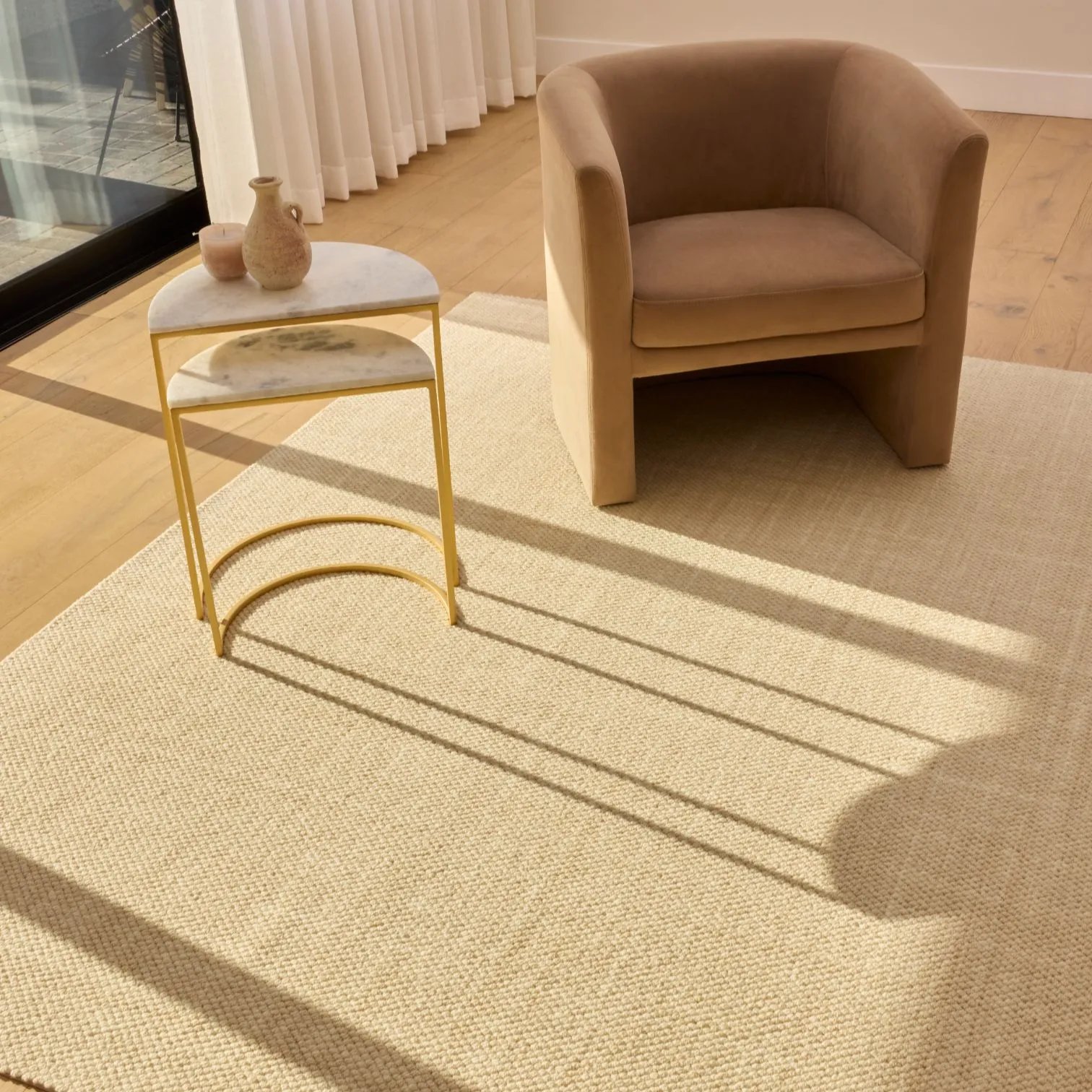
How should you lay a rug in the living room?
How you lay your rug defines how your room feels. A rug serves as the anchor for your furniture, pulling separate pieces into a single, cohesive group. For busy living rooms with kids and pets, our Elementa collection offers spill-resistant performance that stands up to daily life. Proper layout helps you avoid common design errors and makes your home look more intentional.
All legs on the rug
Placing all furniture legs on the rug creates a formal, luxury feel. This layout works best in large rooms where you have enough space to float your furniture away from the walls. It creates a defined zone that acts like an island for your seating area. A 9x12 rug is often the best choice for this setup to ensure every piece fits without feeling cramped.
Front legs only
Putting only the front legs of your sofa and chairs on the rug is a great middle ground. This approach helps tie the room together while allowing the rug to extend further into the open floor space. It is a smart way to use an 8x10 rug in a standard living room. Keeping the back legs off the rug can also help a space feel less crowded.
Avoiding the floating rug
A rug that is too small for the room often looks like a floating postage stamp. This is one of the most common design mistakes. If your furniture does not touch the rug at all, the room can feel disjointed and small. Research shows that how you furnish a room affects how people perceive the height and space of that room. To get the best results, always aim for a rug that extends under your main furniture pieces.
| Layout Style | Best Room Type | Suggested Size | Result |
|---|---|---|---|
| All Legs On | Large, Open | 9x12 or 10x14 | Formal and Luxe |
| Front Legs Only | Standard | 8x10 | Balanced and Tied |
| All Legs Off | Small, Narrow | 5x8 | Open and Airy |
Choosing the right size is just as important as the layout itself. You can choose your rug size by checking our full guide to proportions. Whether you choose our high-performance Elementa rugs starting at $349 or the soft New Zealand wool Estate rugs, the right placement will ground your home style.
Lay the dining room rug for every chair position
Planning how to lay rugs in a dining area starts with the table. A rug that is too small can trip guests or catch chair legs. You need a layout that feels stable and looks right. The rug acts as an anchor for your furniture and helps define the eating space in your home.
Set the right size for chair movement
The most important rule for a dining room rug is chair clearance. A rug should extend at least 24 to 36 inches beyond the edge of the dining table in every direction. This space keeps chair legs on the rug even when you pull them out. This layout prevents the chairs from wobbling on the edge of the rug and protects your floors from scratches.
If you choose a rug that is too small, your chairs will catch on the edge of the pile. This can be annoying and may even damage the rug over time. For a standard dining set, an 8x10 or 9x12 rug usually provides the best fit. You can plan your room layout by checking the Groundstory size guide to match your table's size.
Pick materials for spills and traffic
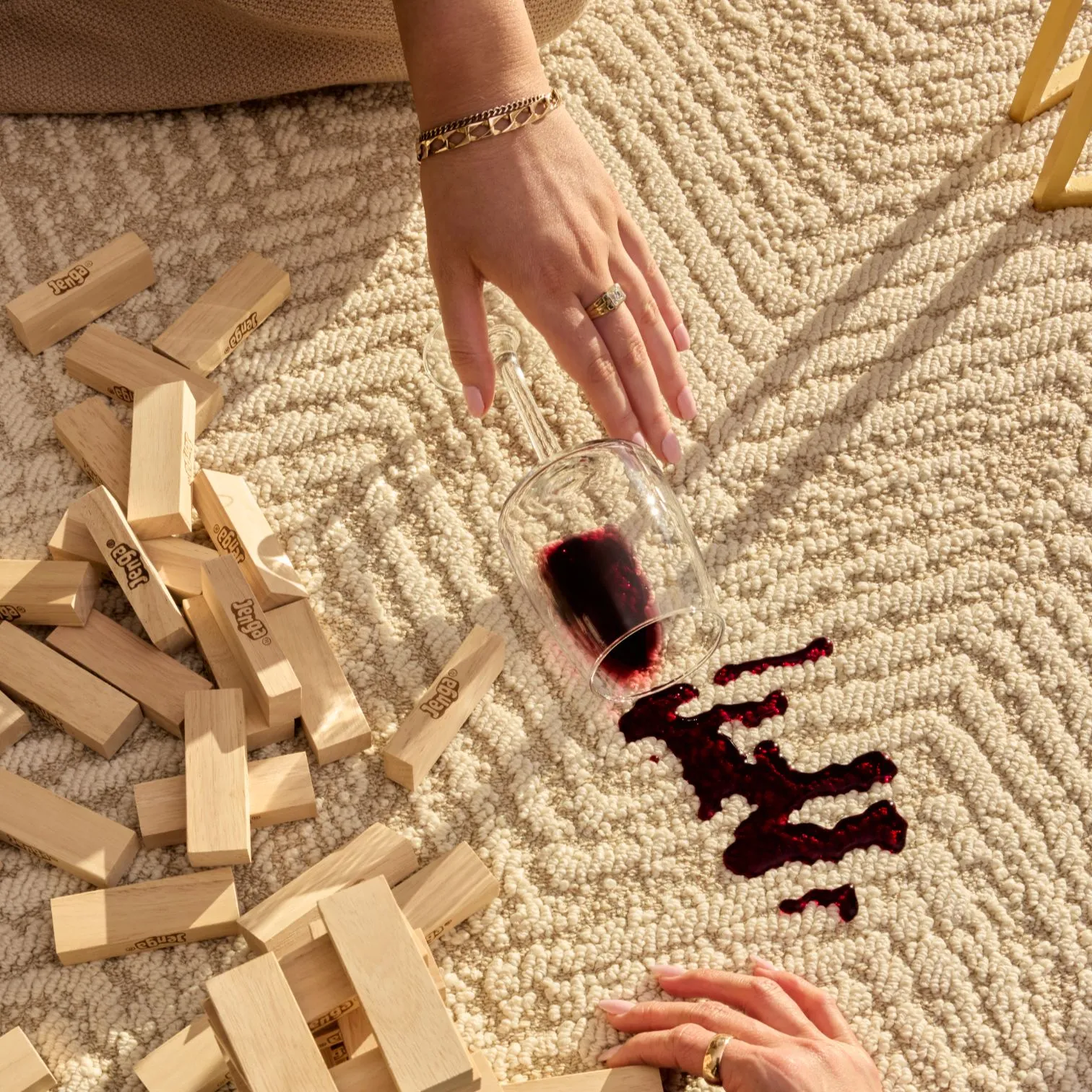
Dining rooms are high-traffic areas prone to food and drink spills. The Elementa collection is built for these exact challenges. These rugs use high-performance polypropylene which makes them spill-resistant and stain-resistant. This material is also pet and kid-friendly, so you do not have to worry about a dropped glass of wine or a messy dinner.
The Elementa line offers high quality without the high price. You can get a 5x8 rug for $349, an 8x10 for $649, or a 9x12 for $849. Every rug in this set is OEKO-TEX certified. This means the rugs meet high safety standards and do not contain toxic chemicals. This makes them a safe choice for homes with young children.
Balance the visual weight
The layout of your rug affects how large the room feels. Research shows that furnished rooms can look taller but less open than empty ones. A well-placed rug helps fix this by grounding the furniture. You should align the rug parallel to the walls of the room and the table itself. This creates a clean look that balances the weight of the space.
Center the table on the rug to keep the room looking neat. If the rug is off-center, the whole room can feel tilted or messy. Using a neutral rug from Groundstory helps create a calm vibe. With 6 neutral colors and 4 patterns to choose from, you can find a style that fits your home. This simple setup makes your dining area look neat and well-planned.
Where should a rug sit beneath a bed?
You want your bedroom rug to feel soft under your feet when you wake up. The best way to do this is to place it under the bottom part of the bed. This leaves enough rug on each side for you to step on. Our Estate collection is made for this quiet spot. It uses a 50% New Zealand wool blend that feels thick and plush under feet.
The rug should sit far enough out to give your feet a warm place to land on cold mornings. For a queen or king bed, use a large rug like an 8x10 or a 9x12. This helps ground the bed and makes the room feel more calm. You can learn how to lay rugs well to see how these sizes fit. Studies show that how you place items can change how big a room feels to the eye (PubMed).
The headboard gap
You have two main choices at the top of your bed. You can push the rug all the way to the wall or leave a small gap. If you push it to the wall, make sure it is wide enough for your side tables. A good rule is to leave about 18 inches on each side for these small tables. This makes the bedroom look neat and well planned.
If you leave a gap, start the rug just in front of your side tables. This keeps the look light and open. It also saves you from having to level your tables on the edge of the rug. Both ways work well if you keep the rug in the middle under the bed frame. An even look keeps the room clean and helps you relax at night.
Sizing for your bed
Size is key when you learn how to lay rugs in a bedroom. An 8x10 rug works best for most queen beds. It gives you plenty of space on the sides to step out of bed. If you have a king bed, go with a 9x12 rug for the best look. This larger size makes sure the rug does not look lost under a big bed frame.
Our Estate rugs start at $499 for a 5x8 and go up to $999 for a 9x12. Every rug we sell is OEKO-TEX safe, so it is good for your home and your health. These rugs use a wool blend that is soft but also strong. It is the perfect mix of high style and value for a space where you want to feel at ease.
A large rug can make a small room feel more solid and safe. It acts like an anchor for your bed and keeps the space from feeling like it is floating. Since bedrooms have low foot traffic, the soft wool in our Estate rugs will stay in good shape for a long time. You get a high end look for less than you would pay at a big store.
How to lay a rug without second-guessing the placement
Laying an area rug should feel like a win for your home. Proper setup defines your space and keeps your chairs and sofas from looking lost. Whether you pick the spill-resistant Elementa collection or the soft New Zealand wool in our Estate rugs, the layout steps are the same. A 5x8 rug fits well in a small den, while an 8x10 or 9x12 rug can anchor a large living room. Getting the base right ensures your room feels planned and cozy.
Both our sets come in six neutral colors that work with any style. These rugs are built for real life, with prices starting at $349 for Elementa and $499 for Estate. Choosing the right size is the first step toward a room that feels complete. If you are not sure which one to buy, a larger rug is often the best choice to make a room feel bigger.
The prep work for layout
Before you unroll your new rug, check your floor space. A common rule is to leave about 18 inches of floor showing around the rug edge. This gap helps the room feel balanced and open to the eye. For dining rooms, you need more room to move chairs back and forth. A rug should extend at least 24 to 36 inches beyond the table edge so chair legs stay on the rug as people sit down to eat.
Match the rug to your room
You must tips for laying your rug by matching the piece to the shape of the space. Always place the rug straight with the walls and your main sofa. This match creates a clean look that leads the eye through the room. In living rooms, putting all furniture legs on the rug adds a formal feel. If your room is small, you can place just the front legs on the rug to save space while still keeping the look tight.
Easy steps for your rug
Follow these steps to compare Groundstory rug sizes without the stress of moving heavy furniture twice. This simple order works for any room size or rug type.
- Measure your floor and use blue tape to mark where the rug will go. This lets you see the scale and fit before the rug even arrives.
- Clear all furniture from the area where the rug will sit. Small items can move to the corners while large sofas move to the sides.
- Lay down a non-slip rug pad first. A pad keeps the rug from sliding and adds a soft layer that helps protect your wood or tile floors.
- Unroll the rug over the pad. Start from one edge and smooth out any bumps or folds as you move across the room.
- Place your furniture back into the room. Check that the legs sit on the rug where you taped the outline earlier.
- Walk around the space to check the sight lines. Make small shifts until the rug looks straight and centered with your main furniture.
Proper layout does more than just look good. It can change how you feel in your home. Research shows that furnishing affects spatial sense and how we judge room height. A large, well-placed rug makes a room feel more stable and calm. Since all Groundstory rugs are OEKO-TEX safe, you can trust that your new layout is safe for kids and pets too.
Use the floor border to make placement feel intentional
When you learn how to lay rugs well, the floor border is your best tool. The gap between your rug and the wall acts like a frame for your room. It shows where the living area starts and ends. Without this gap, a large rug can look like wall-to-wall carpet. This ruins the look of your wood or tile floors. A clear border makes the room feel balanced and calm.
A good layout also helps you avoid "floating" chairs. This happens when a rug is too small and sits in the middle of a room without touching any seats or sofas. It makes the room look messy. By using the floor as a border, you can ground your space. Our neutral our collection of area rugs helps create this firm base. These patterns work with your floor to make the room feel set and ready.
Keep a standard margin
Most experts suggest leaving about 18 inches of floor space around the rug edge. This is a classic rule for large rooms. In smaller spaces, you can drop this to 8 or 12 inches. The goal is to show enough floor so the rug does not touch the baseboards. This small gap makes a big change in how you see the room. It gives the space room to breathe and keeps it from feeling tight.
Research shows that how you fill a room changes how you feel in it. A study from the National Library of Medicine found that chairs and sofas affect how we see room height and depth. If a rug is too big, it can make the floor look smaller. This can lead to a sense of "compression" in the room. Keeping a steady border helps you avoid this. It keeps the room looking open and tall.
Align with your walls
Your rug should always sit parallel to the main walls of the room. Do not angle it unless the room itself is odd. Align the rug with the largest piece of furniture, like your main sofa. This creates a straight line that the eye can follow. It makes the whole layout feel like it was planned with care. This works well with our Estate line, which uses a New Zealand wool blend to add a soft feel to these straight lines.
Balance is also about weight. If you have a heavy sofa on one side, you need the rug to center that weight. Place the rug so it sits under the main furniture group. This keeps the room from looking like it is tipping to one side. A 9x12 rug is often the best size to handle this job in a standard living room. It is big enough to hold the sofa and chairs while still leaving that key floor border.
Clear the door paths
Make sure your rug does not block any doors. It should stay at least a few inches away from any door swing. If the rug is too thick, the door will catch on the pile. This can damage the rug over time. For high-traffic areas like halls or entries, our Elementa rugs are a great choice. They use tough polypropylene that resists spills and stains. This helps the rug stay clean even when people walk on it all day.
Think about how people move through the room. A rug should cover the main paths to protect the floor. But it should not be so big that it creates a trip risk at the door. Use a non-slip rug pad to keep the rug in place. This makes the rug safer for kids and pets. It also makes the rug feel more solid under your feet. Check our size guide to find the best fit for your home's traffic flow.
Fix the rug placement mistakes that leave rooms unfinished
The tiny rug trap
Many people buy rugs that are too small for their space. This is often called the "postage stamp" effect. A small rug makes a room look cut up and messy. To avoid this, you should leave about 18 inches of floor space around the edge of the rug. This gap helps the room feel balanced. If you want a bigger feel, go with a 9x12 rug for most living areas. A large rug can anchor your chairs and couch to make the space look full. It also stops the rug from looking like an island in a vast sea of wood or tile. You want the rug to act as a base for your room, not just a patch on the floor. Our Elementa rugs come in big sizes like 9x12 to help you fill these large gaps with ease.
Wrong rug angles
How you turn your rug matters just as much as its size. You should always lay the rug so it is even with the walls of the room. It should also line up with your main sofa. When a rug is crooked, it pulls the eye away from the center of the space. This mistake can make even a large room feel small and tight. In fact, tests show that how you place items in a room changes how people see the height and depth of the space. One study on room view found that floor layout choices can squeeze the feel of a room if not done well. Keeping your rug straight helps maintain a calm and open look. It lets the clean lines of your home guide the eye across the floor.
Furniture that floats
Another common slip is letting your couch or chairs "float" off the rug. This happens when the legs of your pieces do not touch the rug at all. To fix this, review the rug size guide by placing at least the front legs of your pieces on the rug. This binds the pieces to the space and stops them from looking like they might drift away. For a formal look, you can put all legs on the rug. This works well for a high-end feel in a quiet room. If you have kids or pets, our Elementa rugs are great for these spots. They are made of tough fibers that resist spills and stains. This means you do not have to worry about the rug getting ruined in a busy home. These rugs are also OEKO-TEX safe for your whole family.
Dining room trip hazards
In the dining room, the most frequent error is a rug that is too narrow. You need enough space so that chair legs do not catch on the edge when people sit down. Your rug should extend 24 to 36 inches past the table edge. This lets guests move their chairs back without the legs falling off the rug. If you want a soft touch under your feet in a room with less foot traffic, our Estate wool blend rugs are a smart pick. They offer a plush feel while keeping the room looking sharp. These rugs use a mix with New Zealand wool for a luxe touch. Always use a non-slip pad to keep the rug from sliding as people move around. This keeps your home safe and ensures the rug stays in place day after day.
Shop Groundstory rugs to find the size, pattern, and neutral colorway that finishes your room.
Frequently Asked Questions
How much floor space should be exposed around an area rug?
According to the Safavieh design team, a standard rule is to leave 18 inches of bare floor around your rug. In a small room, you might reduce this gap to 8 or 12 inches. This border acts like a frame for your rug. It helps the space feel planned and keeps the rug from looking like wall-to-wall carpet. Our neutral area rugs work well with these borders to make any room feel set and ready.
Do I need a rug pad for my area rug?
Yes, you should always use a non-slip pad. According to the Groundstory FAQ, a pad keeps the rug from sliding and helps it stay flat. This prevents trips and makes the rug safer for kids and pets. This is vital for our high-performance Elementa rugs. A pad also adds a bit of cushion. This protects your floor from scratches and helps your rug last longer. It is a simple step that makes a big change.
How do I place a 9x12 rug in a living room?
A 9x12 rug is a standard size for most living rooms. You should center it under your main seating group. Ideally, all furniture legs should sit on the rug. According to the Tufenkian design blog, this creates a formal and plush feel. If your room is smaller, you can put just the front legs on the rug. This anchors the room while still leaving a nice border of bare floor.
Should an area rug go all the way under a couch?
Yes, you should extend your rug under your sofa to anchor the room. According to The Spruce, this helps the space look larger and more solid. If the rug stops before the couch, it can look like it is floating. This ruins the flow of the room. For the best look, place at least the front legs of all seating on the rug. This setup makes your whole home look more intentional.
Are you ready to lay your rug and finish your home the right way?
Living in a room that feels messy or not done can be a stress that makes it hard to relax and enjoy your space. Do not waste your money on a rug that does not fit your chairs or wait for months for a home that feels right. Taking action today means you can stop the guessing and start enjoying a clean, polished home right away with our rugs for every room.
You can end the stress and start your plan for a clean home today. Ready to request a better layout? Use our size guide to shop Groundstory rugs or use the Groundstory size guide.


