

Do Wool Rugs Shed? What to Expect With Estate
Do wool rugs shed? Yes. Some loose fiber is a normal expectation with a wool rug, especially as it settles into your room. The amount and duration vary by the rug, its construction, foot traffic, and how you care for it.
Shop the Groundstory Estate collection.
A new wool rug may release surface fibers during early use. Gentle, routine care can help you manage the fluff, but you should avoid harsh brushing or aggressive vacuum settings. If shedding stays heavy or the pile looks damaged, follow the maker's care instructions or ask a rug-care professional.
That honest expectation matters when you choose Groundstory Estate. Estate is a soft, OEKO-TEX certified, 50% New Zealand wool blend designed for bedrooms, sitting rooms, formal living areas, and home offices. Here is how to tell normal shedding from a concern, care for your rug, and decide whether Estate fits your room.
Do wool rugs shed? The short answer
Yes, wool rugs shed. It is a normal part of owning a natural fiber rug. Most people see loose fibers when they first unroll a new rug. This is common for almost all wool rugs, including our Estate collection.
This first shedding is usually a sign of high grade wool rather than a flaw. It shows that the rug is made of natural fibers that need time to settle in your space.
Why new rugs shed
New rugs often have loose fibers from the making process. When sheep grow wool, their hair roots follow a certain path. Genes control how wool grows and sheds from the sheep.
This natural growth means some fibers are shorter than others. These short fibers may work their way to the top when you first use the rug.
Walking on the rug can lift these loose pieces. A study by the Environmental Protection Agency found that walking on rugs can cause fibers to move. Cleaning also helps bring these loose bits to the top.
This is a standard part of the rug settling into your home. It does not mean the rug is low grade. Instead, it is the rug shedding its extra fluff.
The Estate set uses a 50% New Zealand wool blend. This blend gives you a high-end feel but also helps keep shedding low. These rugs are made with care, so some first-week shedding is normal.
Normal versus concerning shedding
Most shedding happens in the first few months of use. You will notice it most in busy spots like halls or near the sofa. This phase is short and easy to handle with the right care.
Over time, the shedding will slow down as you clear away the loose fibers. Once the extra bits are gone, the rug becomes more stable.
If your rug sheds large clumps for a long time, it could be a grade issue. But light fuzz is usually fine and expected. Our New Zealand wool blends are chosen for their strength and long life.
High-grade wool is naturally tough and stays thick after years of foot traffic. It resists weight better than most other rugs.
How to manage fiber release
You can keep shedding under control with regular care. Use a vacuum with suction only and avoid using a beater bar. A beater bar can pull at the fibers and cause more shedding.
Clean in the direction of the rug pile to protect the weave. This simple step helps the rug look new and keeps fibers in place.
Good care is the best way to keep your high-end rug in top shape. You can find more tips in our guide for proper rug care and maintenance. Following these steps helps your rug stay soft and lovely for years to come.
A little effort now ensures your home stays stylish and clean. This care makes the Estate set a smart choice for your space.
Why wool rugs shed
You may see small tufts of fluff on your floor after you buy a new rug. This leads many people to ask: do wool rugs shed as part of a flaw? The answer is no. Most wool rugs shed some fibers, mostly during the first few months in your home. This is a real part of owning a high-grade, OEKO-TEX certified piece made from real wool fibers.
Natural fiber behavior
Wool is a real fiber that comes from sheep. The genetic makeup of sheep can even change how these fibers grow and shed. When a rug is made, small bits of wool get trapped in the pile. These loose fibers work their way to the surface over time. This process is normal and happens with our New Zealand wool blends used in fine homes.
Changes in the seasons can also shift how wool grows. This can affect the fiber growth and shedding cycle of the wool. For a new owner, this means you might see more fluff at some times of the year. It does not mean your rug is falling apart. It just means the real fibers are acting in their space and settling into your home.
Role of rug build
The way a rug is built plays a big role in how much it sheds. High-pile or tufted rugs often shed more than flat weaves. This is because tufted styles have more cut fiber ends that can come loose. You can check the Estate collection to find a blend that balances softness with strength to keep shedding low. Most of the shedding you see is just extra fiber from the shop.
The build also affects how the rug handles foot traffic. When you walk on or vacuum a rug, it creates moving action. This can cause fibers to move and lift from the surface. While plastic rugs rarely shed, wool rugs offer a soft feel that man-made fibers cannot match. Initial shedding is a small trade for long-term comfort and warmth.
Impact of foot traffic
Where you put your rug will change how much it sheds. Busy spots like halls or near the sofa will show more fluff. This is because feet moving across the rug help pull loose fibers to the top. If you put a wool rug in a busy room, you may need to vacuum more often at first. This helps clear out the loose wool so it does not spread to the rest of the house.
You can help this by turning your rug every few months. This spreads the wear across the whole piece. It also makes sure that one spot does not get all the stress. Using a good rug pad can also help. A pad reduces the rub between the rug and the floor. This protects the fibers from the bottom. Over time, the shedding will slow down as the loose fibers are cleared away.
Caring for your rug
It is helpful to know the gap between shedding and pilling. Shedding is when loose fibers come out of the pile. Pilling is when those fibers form small balls on the surface. Both are normal for wool but need proper rug care and upkeep to keep the rug looking good. Steady care makes sure your rug stays a lovely part of your home for years.
When you vacuum, do not use the beater bar. A beater bar can pull too hard on the wool and cause more shedding. Use a vacuum with suction only to gently lift the loose fluff. As your rug ages, the fibers will settle and the shedding will stop. Most owners find that the luxury feel of wool is well worth the extra care during the first few months.
What is normal wool rug shedding?
Normal shedding is light, temporary fiber release that is most noticeable when a wool rug is new. It should ease as loose surface fibers are removed through gentle care. Heavy clumps, visible thinning, or shedding that does not slow are signs to review the maker's care guidance.
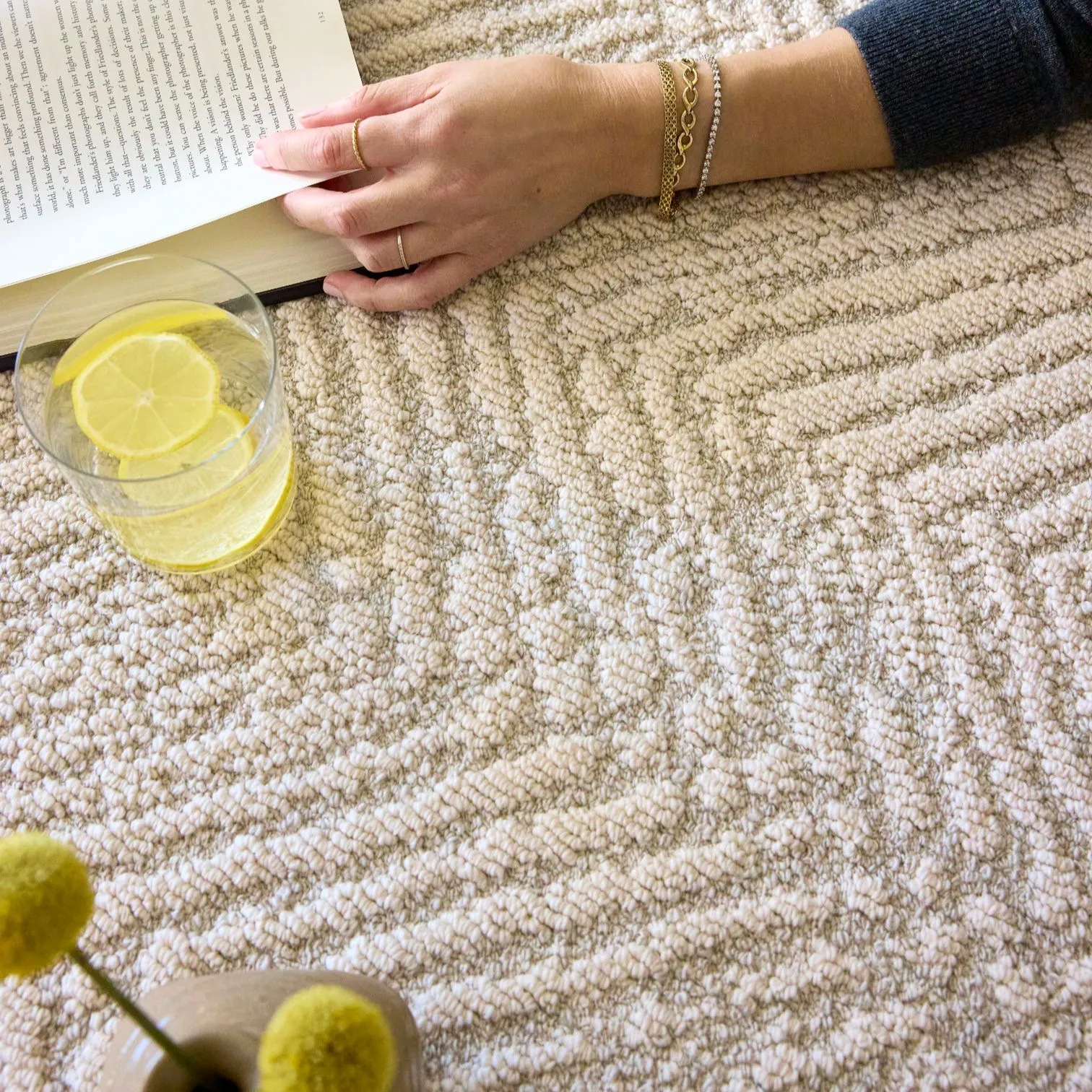
Every wool rug sheds fibers. It is a natural part of how wool rugs work, especially when they are brand new. You should expect to see some loose fuzz in your vacuum or on the floor during the first few months. This process happens as short fibers from the production phase work their way to the surface. It does not mean your rug is falling apart.
Normal shedding signs
Normal shedding usually peaks in the first few weeks after you unbox your rug. You will mostly notice it in high-traffic spots like entryways or near your sofa. While it may seem like a lot of fluff, the total fiber loss is small compared to the weight of the rug pile. Most shedding will slow down after three to six months of regular proper rug care and maintenance.
When to be concerned
You should only worry if the shedding does not stop after many months of care. If you see bald spots or if the pile looks thin, there might be a quality issue. Large clumps of wool coming out could also signal a problem with the rug's build. In most cases, early shedding is common and easy to manage with the right tools.
| Feature | Normal Shedding | Concerning Shedding |
|---|---|---|
| Timing | Most intense in the first 3-6 months. | Stays for over a year with no slow down. |
| Appearance | Loose, light fuzz or fine fibers. | Large clumps or thick chunks of wool. |
| Pile Health | Rug looks full and stays plush. | Visible bald spots or thin areas. |
| Traffic Impact | Seen in high-traffic walkways. | Found in areas with no foot traffic. |
| Fiber Type | Short fibers from the making process. | Long yarns pulling out of the backing. |
Maintaining your wool rug
The best way to manage shedding is with a good vacuum. You should clean your rug often during the first few weeks to clear out loose fibers. Always use a vacuum with suction only and no beater bar to avoid pulling at the wool yarns. For a high-quality feel in your home, explore the Estate collection for rugs that mix luxury with long-term use.
How to manage wool rug shedding
Manage wool rug shedding with gentle, consistent care. Use suction-only vacuuming, move with the pile, and avoid aggressive brushing or a beater bar. For Estate, choose a lower-traffic room and follow Groundstory's care instructions so the soft wool blend can settle without unnecessary fiber stress.
Follow Groundstory's rug care instructions.
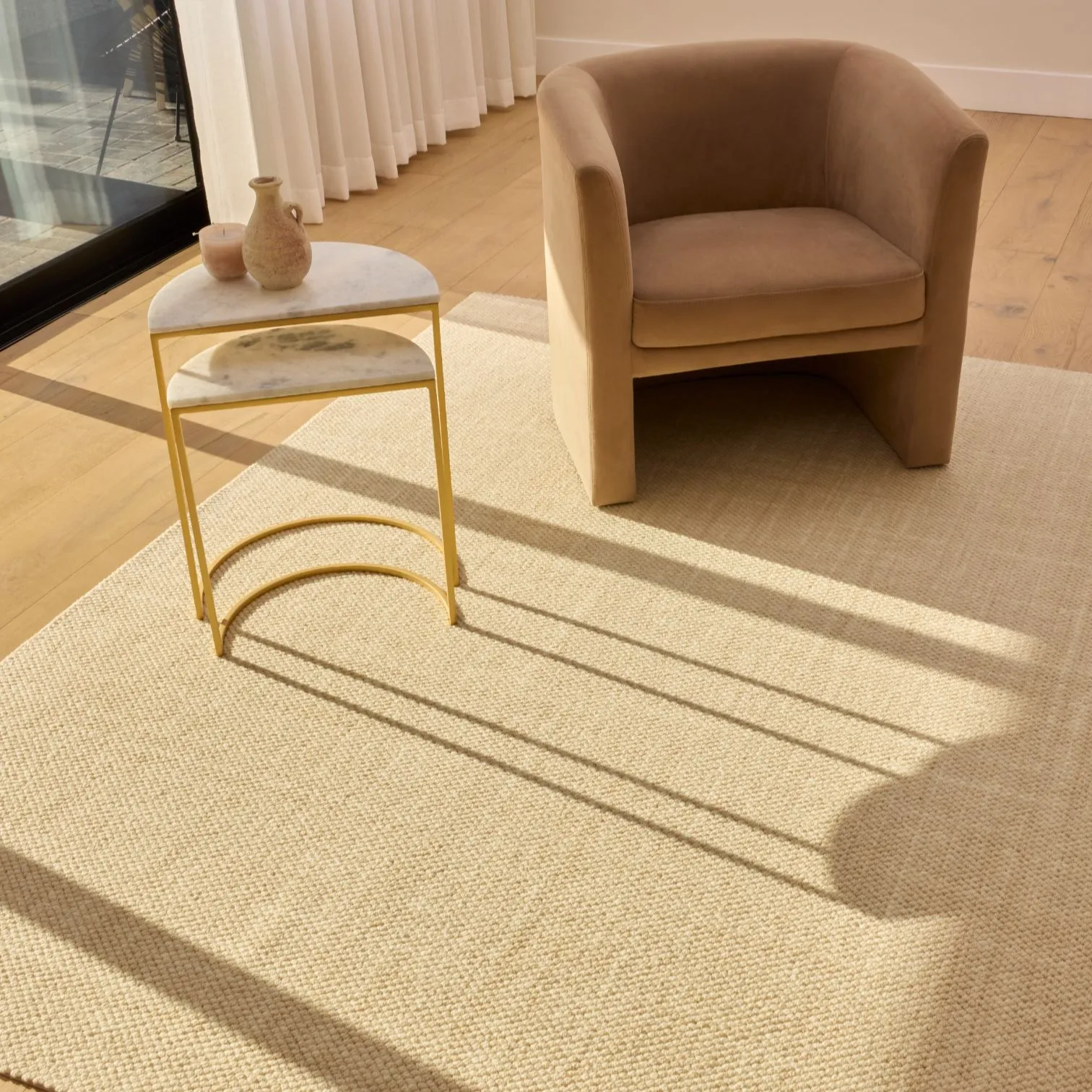
You might wonder, do wool rugs shed? Yes, they do. It is a normal part of owning a high-end rug. New wool rugs often have loose fibers from the loom. These fibers come to the surface as you walk on the rug. If you explore the Estate collection, you will find rugs made with a 50% New Zealand wool blend. These rugs are soft and strong. They need the right care to look their best. Shedding is not a sign of poor quality. It just means your rug is new and needs time to settle into your home.
Room placement and traffic
Where you put your rug matters. Wool rugs work best in low-traffic rooms. This includes bedrooms or sitting rooms. In these spaces, fewer feet walk across the fibers. Less movement means less shedding. If you put a wool rug in a busy hall, you will see more loose fuzz. Keep your rugs in quiet zones to help them last. This keeps the pile thick and soft for years. High-traffic areas like entryways are better for our Elementa rugs. Save your wool Estate rugs for the cozy spots in your house.
A simple care routine
You can manage loose fibers with a few easy steps. Steady care is the best way to keep your home tidy. Research from the EPA shows that walking on carpets can move fibers back into the air. Vacuuming helps clear these fibers before they spread. If you skip this task, the fluff will move to other rooms. It can hide in corners or under chairs. Follow this routine to keep your Estate rug in top shape.
- Vacuum twice a week. New rugs need more care. Vacuum at least two times every week to remove loose fluff.
- Turn off the beater bar. Never use a vacuum with a spinning brush. These tools are too rough for wool and cause more shedding.
- Follow the pile way. Move your vacuum in the same way the fibers lean. Going against the pile can damage the rug.
- Rotate your rug. Turn your rug every six months. This helps the rug wear evenly and prevents heavy foot traffic in one spot.
- Use a rug pad. A pad adds cushion and reduces friction with the floor. This helps the fibers stay in place and makes your rug last longer.
Most shedding stops after a few months. As you use the rug, the fibers settle into the backing. If you see small fuzz balls, do not pull them. Use a pair of sharp scissors to trim them. This keeps the rug smooth without harming the weave. Following proper rug care ensures your rug stays a great part of your home.
Where does an Estate wool rug fit best?
Placement is the first rule of rug shopping. You want the right rug type for the right room. Our Estate line is built for comfort and a high-end look. These rugs use a 50% New Zealand wool blend to give you a soft, plush feel. They are perfect for rooms where you want to relax and feel the rug under your feet. This blend offers the best of both worlds: the high-end feel of natural wool and the strength of modern fibers.
The perfect bedroom partner
Your bedroom should be a place of rest. The Estate line fits here best because it adds warmth and a high-end vibe. Since most people do not walk through their bedroom all day, the rug stays in great shape. You get to enjoy the softest part of our line without worrying about heavy wear. Stepping onto a soft wool rug is a great way to start your day. It keeps your feet warm on cold mornings and makes the room feel more cozy.
A common question from new owners is: do wool rugs shed in the bedroom? While all wool has some loose fibers at first, a low-traffic spot makes it easy to manage. You won't be kicking up fibers every time you walk by. Research studies show that genetic traits in sheep lead to this natural process. It is a sign of real, high-quality wool being used. This shedding slows down fast with a few light vacuums. Using the right tools will keep the pile looking fresh for years.
Formal areas and home offices
A home office or a formal sitting room is another great spot for an Estate rug. These spaces often host guests or quiet work hours. A wool rug helps to dampen sound and keeps the floor warm. The 50% New Zealand wool blend offers a thick texture that man-made rugs often lack. Our rugs are also OEKO-TEX certified, so you can feel good about the air quality in your workspace. This means they are free from harmful chemicals that could leak into your home.
When you explore the Estate line, you will see patterns that work for any decor style. These rugs stay nice when you keep them away from muddy boots and heavy spills. They are a smart choice for the style of your home. Groundstory rugs are made to last, but they need the right home. Using an Estate rug in a low-traffic area helps to preserve its high-end feel. It avoids the crushing that can happen with heavy, daily use in a hallway.
Contrast with high-traffic zones
If you need a rug for a kitchen or a busy entryway, wool may not be your first choice. For those spots, we recommend our Elementa rugs. These are made from high-performance polypropylene and are built for speed. They handle spills, stains, and pets with ease. They are the workhorses of the Groundstory line. In contrast, the Estate line is meant for the quiet parts of your home where you can take your shoes off.
Choosing the right spot for each rug helps them last longer. You can learn more about proper rug care and maintenance to keep both collections looking new. This guide helps you handle any loose fibers so your rug stays a core part of your home. If you have a busy house with kids and pets, use Elementa for the living room and Estate for the master suite. This balance keeps your home looking great without adding more chores to your list.
Is an Estate wool rug right for your room?
Who should choose wool?
Picking a rug is about finding the right feel for your life. Our Estate rugs use a 50% New Zealand wool blend to give you a soft and rich feel. This line is for people who want quiet luxury and a plush touch. If you love the look of high-end design, New Zealand wool blends offer the best mix of style and safety. The natural wool fibers are warm and dense. They make any room feel cozy and high-end. This is the best choice for a space where comfort is the main goal.
Estate rugs are built for beauty and safety. Every piece in the line is OEKO-TEX certified. This mark means the rug is free from high levels of harmful toxins. We care about what you bring into your home. A rug should look great and be safe for your kids and pets. By using high-quality wool, we give you a product that lasts and feels great every day.
Where does Estate fit best?
Wool is a natural fiber that needs a bit more care than man-made rugs. We suggest placing your Estate rug in low-traffic spots. These include bedrooms, sitting rooms, or home offices. These areas let the wool fibers shine. They do not face the heavy wear of a busy entry or a mudroom. Since wool is naturally strong, it resists crushing over time. It keeps its shape even when you walk on it daily.
When you plan your room, think about how you use the space. A soft wool rug is perfect for a spot where you might sit on the floor. It adds a layer of warmth and sound blocking. If you are unsure which size works for your space, check the Groundstory size guide. It helps you pick between a 5x8, 8x10, or 9x12 rug. Getting the right fit makes the room look full and finished.
We keep our pricing clear and fair. You get luxury quality without the high retail markups. The Estate line comes in three main sizes. You can get a 5x8 rug for $499 or an 8x10 for $799. Our largest size is a 9x12 rug for $999. We want to make it easy to find a rug that fits your room and your budget. You can explore the Estate collection online to see all four patterns and six colors. Every rug is built to solve the trade-off between great design and real performance.
Managing the initial shed
You may ask, do wool rugs shed once they are in your home? The short answer is yes. New wool fibers often come loose as the rug settles. This is a normal part of the fiber making process. Science shows that hair growth and shedding are linked to the natural life of wool. This stage is only short term. It stops once you clear the loose fibers from the pile.
To keep your rug in top shape, follow proper care steps. Use a vacuum with suction only. You should avoid the beater bar. A beater bar can pull at the fibers and cause more shedding. Regular care with the right tools ensures your rug stays soft and dense for years. This keeps the wool looking new and feeling plush for the long term.
Frequently Asked Questions
Is there a wool rug that doesn't shed?
No real wool rug is fully shed-free, mostly when it is brand new. All real wool fibers have some loose bits that come out at first. According to industry experts, only fake rugs made of plastic like nylon do not shed. While our Estate rugs will have some early shedding, the good New Zealand wool blend is built to last. The shedding is just a short phase of owning a real, natural product.
Can you use a beater bar on a wool rug?
You should not use a beater bar on a wool rug. The spinning brush can pull at the soft wool fibers and cause them to break or shed even more. For the best care, use a vacuum with suction only. According to rug care guides, this protects the rug and keeps it looking new for a longer time. Always move the vacuum in the same way as the rug pile to avoid any harm.
Are wool rugs safe for homes with pets or kids?
Yes, wool rugs are a great choice for homes with kids and pets because they are made from real fibers. All Groundstory rugs, including our Estate line, are OEKO-TEX certified. This means they are tested to be safe from harmful chemicals. According to the Estate product page, these rugs offer a soft and safe place for your family to play. While they are soft, they are also strong enough to handle daily life in low-traffic rooms.
Should I use a rug pad with a wool rug?
Yes, using a good rug pad is a smart move for any wool rug. A pad helps to reduce the rubbing between the rug back and your floor. This extra layer can help slow down fiber loss and protect the shape of your rug over time. According to industry advice, a good pad also makes the rug safer by keeping it from sliding. It adds a bit of extra cushion to the soft New Zealand wool in our Estate rugs.
Ready to shop the Groundstory Estate collection?
Shop Estate in 5x8, 8x10, or 9x12.
Every day you wait to buy a new rug is more time spent with a rug that sheds, but you can choose a Groundstory Estate rug instead. Our rugs are safe for your home and give you a soft feel under your feet starting the day they arrive at your door. You can also look at our rug care guide to learn how to keep your new wool rug clean and fresh for many years to come.
Ready to shop the Estate collection? Shop the Estate collection to find your fit and get the quality you want for your home now. You can choose the right size for your space today and have a soft feel in your home in just a few days.


