

Best Rug for Dining Room Spills: Elementa
The best rug for dining room use is not the most delicate rug in the house. It is the one that can handle sauce, crumbs, chair legs, pets, kids, and still make the room look intentional. A dining room rug works harder than almost any other rug you own, because dinner is where design meets real life.
Shop Groundstory Elementa if you want a dining room rug built for spills, stains, and everyday meals.
That is why Groundstory's Elementa collection is the right starting point. Elementa is high-performance polypropylene, spill-resistant, stain-resistant, OEKO-TEX certified, pet and kid friendly, and made in the sizes dining rooms actually need. It gives you the finished look of a proper area rug without asking you to treat every meal like a risk.
This guide breaks down what to choose, what to avoid, how to size the rug, and when Elementa makes more sense than a softer Estate rug. The goal is simple. Your dining room should feel pulled together, not precious.
Best rug for dining room spills starts with Elementa
Short answer: for an everyday dining room, choose Groundstory Elementa because its high-performance polypropylene is spill-resistant, stain-resistant, OEKO-TEX certified, and built for the mess that happens under a table.
A dining room rug has one job before all others: survive the table. The table is where glasses tip, plates drop, chairs scrape, and people forget they are standing on a rug. If the rug cannot handle that, it may look good for one week and become a problem after the first busy dinner.
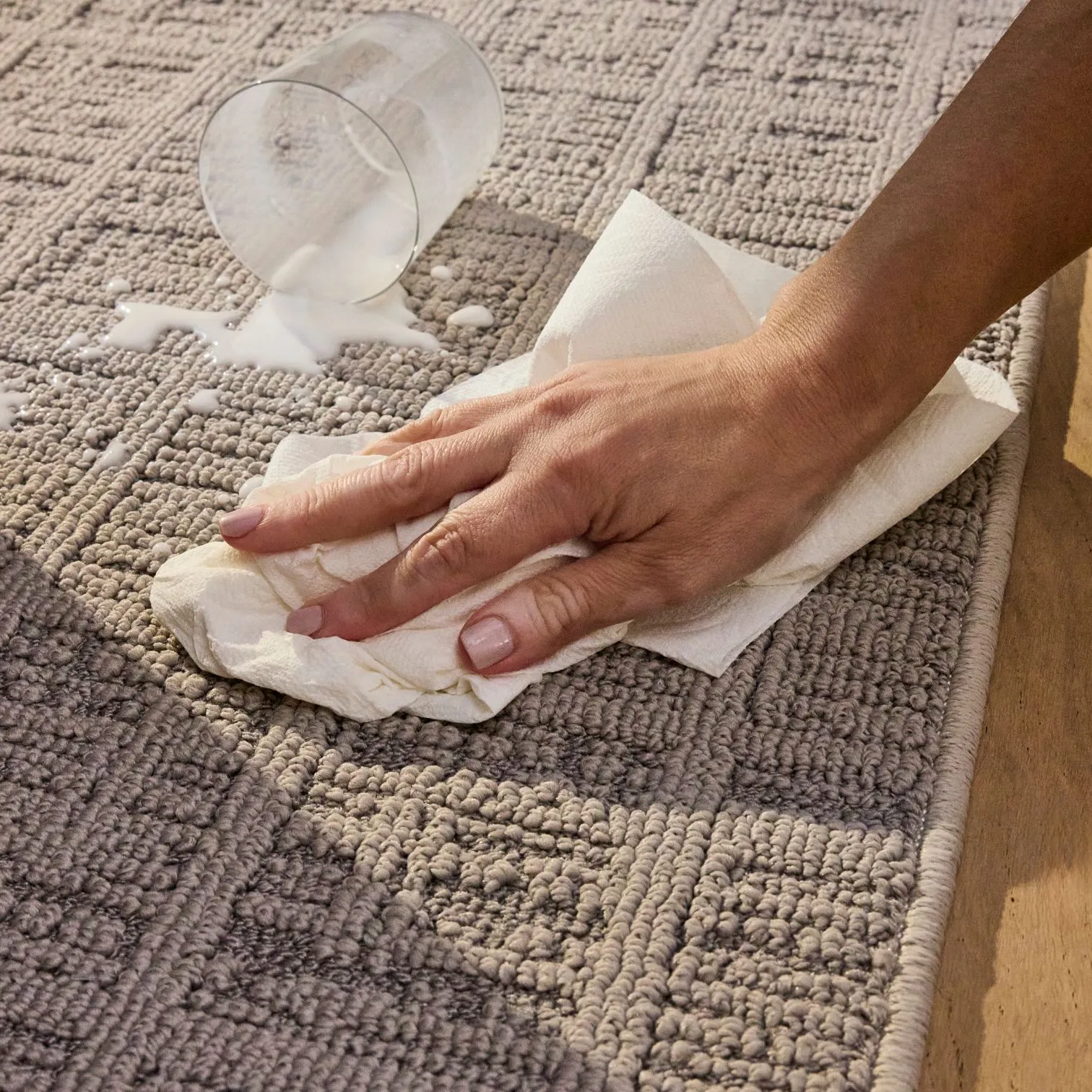
For most homes, the best rug for dining room placement is a performance rug with a practical surface, a grounded pattern, and enough structure for chair movement. Elementa fits that need because it is made from high-performance polypropylene. That material choice matters. It gives the rug a spill-resistant and stain-resistant foundation, so a dining space can stay usable without constant worry.
Elementa is also OEKO-TEX certified, which supports a safer home environment without forcing you to compromise on style. The collection is pet and kid friendly, which is exactly what dining rooms demand. Even if you do not have children at home, the room still sees food, shoes, guests, and furniture movement.
Performance matters more than delicacy
A high-maintenance rug can work in a bedroom, a sitting room, or a formal space that sees light use. A dining room is different. Food and drink change the rules. The right rug should give the room warmth and definition, but it should not make normal meals feel like a mistake.
Choose Elementa when the dining room needs a rug that can handle spilled milk, chair traffic, and everyday meals without losing the finished look.
That is the Elementa advantage. You get neutral colorways, curated patterns, and performance features in one collection. You do not have to choose between a rug that looks designed and a rug that can handle real life. Groundstory built Elementa for rooms where both matter.
What type of rug goes under a dining table?
The best type of rug under a dining table is low-profile, stable, and performance-focused. It should let chairs move easily, sit flat enough for daily use, and handle spills without turning every meal into a cleanup crisis.
Start with the dining behavior, not the mood board. If the table is used daily, performance comes first. If the dining room is used for homework, family dinners, hosting, pets walking through, and weeknight takeout, the rug needs to be forgiving. Elementa's polypropylene construction is a strong fit because it is designed for high-traffic spaces and everyday mess.
Look for chair-friendly structure
A dining room rug sits under moving furniture. That makes chair movement a real selection factor. A rug that feels soft in isolation may become annoying if chair legs sink too deeply or drag across the surface. A more practical dining room rug should create a smooth enough foundation for pulling chairs in and out.
Pattern also matters. A completely flat, pale field can show every crumb. A curated pattern in a neutral palette gives the room visual texture and helps daily life feel less exposed. Groundstory's patterns are intentionally controlled, so they add interest without overwhelming the dining table, chairs, lighting, or surrounding room.
Color should support the room. Warm neutrals can soften wood. Cooler neutrals can sharpen a modern space. A patterned neutral rug can connect mixed finishes, especially when the dining table, chairs, sideboard, and lighting are not all from the same set.
Dining room rug size rules that actually work
Need the full sizing breakdown? Use the Groundstory rug size guide before you choose between a 5x8, 8x10, or 9x12 Elementa rug.
The right dining room rug size is large enough for the table and the chairs when they are pulled out. If the rug only covers the tabletop footprint, it is too small for real dining room use.
Size is where many dining room rugs fail. The rug may be beautiful, but if it is too small, it makes the table look stranded. Worse, chair legs can fall off the rug when someone pulls back from the table. That creates an uneven feel and makes the whole setup look less considered.
The practical rule is simple. Choose a rug large enough for the table and chairs, including the space chairs need when pulled out. You want the dining area to sit on the rug, not just the table base. Measure the table first, then measure the pullback zone around it. That one measurement keeps the rug from fighting the furniture.
| Groundstory Elementa size | Best dining room fit | Price |
|---|---|---|
| 5x8 | Small dining nooks, compact tables, and apartment spaces where chair pullback still clears the rug edge. | $349 |
| 8x10 | Many standard dining rooms and six-seat tables when the room has enough clearance around the table. | $649 |
| 9x12 | Larger dining rooms, longer tables, and spaces where you want a generous border around the full dining set. | $849 |
When in doubt, go larger
A dining room usually looks better with a rug that feels generous. A slightly larger rug can make the dining zone feel anchored. A too-small rug can make the room feel unfinished, even when the rug itself is right. If your space can handle it, the 8x10 or 9x12 Elementa sizes are often the more comfortable choices for real dining room use.
Do not forget clearance around the room. A rug should support the dining set, but it should not crowd walls, built-ins, or door swings. The best size is the one that lets the table, chairs, and room breathe together.
How to choose a dining room rug in five steps
Choose a dining room rug in this order: measure first, choose performance material second, then pick pattern, size, and collection. That sequence keeps the decision grounded in how the room works.
A good dining room rug decision is not complicated when you choose in the right order. Style matters, but performance and scale should lead. Use this sequence before you fall in love with a pattern.
- Measure the table and chair pullback. Pull a chair out as if someone is sitting down. Measure the full footprint, not just the table. This prevents the most common dining room rug mistake.
- Choose a performance material. For everyday dining, Elementa's high-performance polypropylene is the stronger Groundstory choice. It is spill-resistant and stain-resistant, which fits the way dining rooms are used.
- Pick a pattern that works with real meals. A neutral pattern adds depth and helps the room feel styled. It also feels more forgiving than a flat solid surface in a high-use dining area.
- Match the size to the room. Use 5x8 for smaller dining spaces, 8x10 for many standard rooms, and 9x12 when the table and room need more visual weight.
- Decide between Elementa and Estate. Choose Elementa for everyday dining, family meals, pets, and frequent use. Choose Estate when softness and a luxury wool blend feel matter more in a lower-traffic room.
Do not start with color alone
Color is tempting because it is easy to react to. But a dining room rug has to function before it decorates. If you choose only by color, you may end up with a rug that looks right in a product photo and feels wrong during dinner. Groundstory keeps the choice curated so you can focus on the real decision: which collection fits the room's use.
For dining rooms, Elementa is usually the cleaner answer. It gives you the performance features that matter under a table while still keeping the room polished. It is not a compromise rug. It is a rug built for the room you actually live in.
Is it a good idea to put a rug under a dining table?
Yes, a rug belongs under a dining table when it is chosen for dining conditions. The right rug defines the room, softens sound, protects the floor, and makes the table feel anchored.
A dining room without a rug can feel visually unfinished, especially in open layouts where the eating area blends into the living room or kitchen. The rug creates a boundary. It tells the eye where the dining space begins and ends. It also makes the table feel anchored instead of floating.
The right rug makes the room easier
The wrong rug adds stress. You notice every spill. You worry when guests sit down. You start planning meals around the floor. That is not design. That is maintenance anxiety.
Elementa changes the equation because it is made for high-traffic spaces. Its spill-resistant and stain-resistant performance lets the dining room stay relaxed. Its OEKO-TEX certification adds another layer of confidence for homes that care about what comes into the room. Its pet and kid friendly design means you can choose the rug for a real household, not a staged one.
The result is a dining room that looks finished and still works on a Tuesday night. That is the point.
Elementa vs. Estate for a dining room
Choose Elementa for everyday dining rooms and Estate for lower-traffic rooms where softness matters more than cleanup. Both are OEKO-TEX certified, but they solve different room problems.
Groundstory has two collections, and both have a place. The right choice depends on how the room is used. Elementa is the high-performance polypropylene collection. Estate is the 50% New Zealand wool blend collection. Both come in 5x8, 8x10, and 9x12. Both share Groundstory's curated patterns and neutral colorways.
For a dining room that sees regular meals, Elementa is the stronger recommendation. It is spill-resistant, stain-resistant, pet and kid friendly, and priced at $349 for 5x8, $649 for 8x10, and $849 for 9x12. That combination makes sense under a table because the rug is being asked to handle daily life.
Estate has a different strength. It is softer, warmer, and more luxury focused. Its 50% New Zealand wool blend feels right in bedrooms, sitting rooms, formal living areas, home offices, and lower-traffic spaces where comfort is the priority. Estate is priced at $499 for 5x8, $799 for 8x10, and $999 for 9x12. If you are deciding for a bedroom or sitting room instead of a dining space, compare the Groundstory Estate rug guide.
Choose by use, not just feel
If your dining room is formal and rarely used, Estate can be considered for a more elevated feel. If your dining room handles family meals, guests, pets, kids, or frequent cleanup, choose Elementa. The best rug is the one that matches the room's workload.
This is where Groundstory's smaller, more curated choice helps. You are not sorting through endless options. You are choosing between two clear collection roles. Elementa is the practical dining room workhorse. Estate is the softer luxury option for rooms with lighter demands.
Style should not make dinner harder
A dining room rug should make the room more beautiful and easier to live in. If the rug makes you nervous every time someone pours a drink, it is the wrong rug for the room.
A dining room rug should make the room feel better the moment it lands. It should frame the table, warm up the floor, and add the kind of pattern that makes the space feel designed. It should not make you nervous every time someone pours a drink.
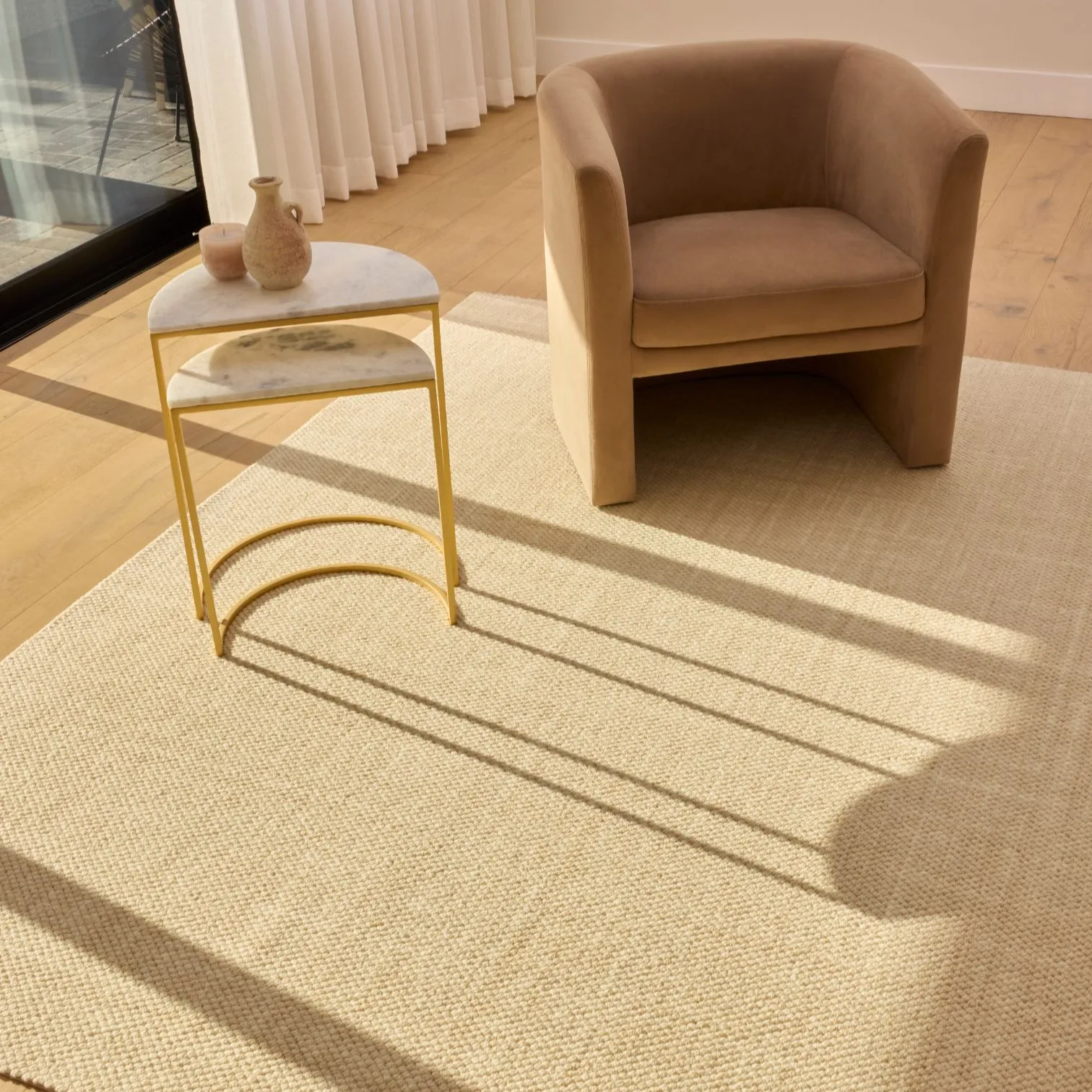
Elementa is built around that balance. The collection gives you performance features without giving up the refined, neutral look Groundstory is known for. The patterns are strong enough to bring texture into the room, but restrained enough to work with wood, metal, upholstered chairs, simple lighting, and layered decor.
Curated choice beats endless searching
Dining room rug shopping can become noisy fast. Too many options make it harder to decide, not easier. Groundstory narrows the field around material transparency, safety, performance, and style. You can pick the pattern, colorway, and size without wondering whether the collection fits the room.
If your search is for the best rug for dining room spills, start with Elementa. If you want to compare every Groundstory option, browse all rugs and choose by room use first. If your dining room also handles pets and kids, read the Groundstory guide to the best pet-friendly area rug for kids and pets. The dining room will tell you what it needs. The rug should listen.
Frequently asked questions
What is the best type of rug for a dining room?
The best type of rug for a dining room is a performance rug with a practical profile, enough size for chair movement, and a surface that can handle spills. Groundstory Elementa is a strong fit because it is high-performance polypropylene, spill-resistant, stain-resistant, OEKO-TEX certified, and pet and kid friendly.
What size rug is best under a dining table?
The best size depends on your table and chair pullback. The rug should be large enough that chairs stay on it when people sit down and stand up. Groundstory Elementa comes in 5x8, 8x10, and 9x12, with 8x10 and 9x12 often working best for standard and larger dining rooms.
Should a dining room rug be easy to clean?
Yes. A dining room rug should be selected for food, drinks, and chair traffic. That is why spill resistance and stain resistance matter. Elementa is designed for high-traffic rooms, so it is a better everyday dining choice than a delicate rug meant for lower-use spaces.
Is wool good for a dining room rug?
Wool can work in a formal or lower-traffic dining room where softness and luxury feel matter most. Groundstory Estate is a 50% New Zealand wool blend and is OEKO-TEX certified. For everyday dining, Elementa is usually the better Groundstory choice because its performance polypropylene construction is built for spills and stains.
Ready to choose the dining room rug that can handle dinner?
Shop Groundstory Elementa for a dining room rug that brings style, spill resistance, stain resistance, OEKO-TEX certification, and real-life performance into one clear choice. Pick your size, choose your neutral pattern, and build the dining room around meals you actually want to enjoy.


